
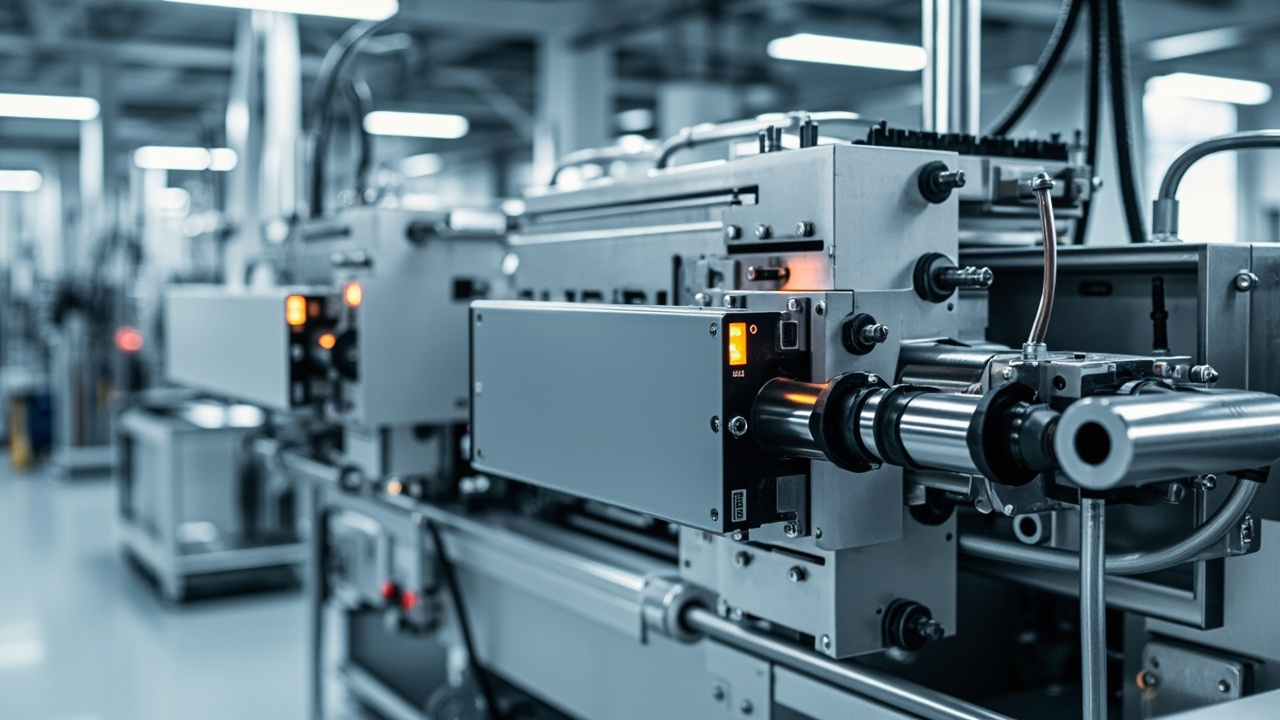
Sourcing Automation, Controls, Sensors, and Fluid Power Components
Discover how to efficiently source high-quality industrial automation, controls, sensors, pneumatics, and fluid power components for your client projects. This guide offers practical advice and highlights key considerations for successful procurement.
For any client project involving industrial manufacturing, the reliable sourcing of automation, controls, sensors, pneumatics, and fluid power components is paramount. The success of an operation often hinges on the quality, compatibility, and timely delivery of these critical elements. This guide is designed to help you navigate the complexities of procurement, ensuring you make informed decisions that benefit your projects and clients.
Understanding Your Project Needs
Before initiating any sourcing efforts, a thorough understanding of your project’s specific requirements is essential. This foundational step will guide your selection process and help you identify the most suitable components and suppliers.
Defining Component Specifications
Start by detailing the exact specifications for each component. This includes:
- Performance Parameters: What are the required operating pressures, temperatures, flow rates, speeds, and accuracies?
- Environmental Conditions: Will the components operate in harsh environments, requiring specific material resistances (e.g., corrosion, extreme temperatures, vibration)?
- Integration Requirements: How will these components integrate with existing systems? Consider communication protocols, electrical interfaces, and mechanical mounting.
- Safety Standards: Are there specific industry safety standards or certifications that the components must meet?
- Lifespan and Maintenance: What are the expected operational lifespans, and what maintenance considerations are there?
Budget and Timeline Considerations
Establish a realistic budget for components and factor in potential lead times. Some specialized components may have longer delivery schedules, which can impact your project timeline. Early planning and communication with potential suppliers are crucial.
Key Component Categories and Considerations
Industrial automation encompasses a broad range of technologies. Here’s a breakdown of key categories and what to look for when sourcing:
Automation Components
Automation systems are the backbone of modern manufacturing. When sourcing, consider:
- Programmable Logic Controllers (PLCs) and Human-Machine Interfaces (HMIs): Look for robust, scalable, and easily programmable units from reputable manufacturers. Compatibility with existing software and networks is vital.
- Robotics: For robotic applications, assess payload capacity, reach, speed, precision, and the availability of spare parts and technical support.
- Motion Control Systems: This includes servo motors, stepper motors, drives, and controllers. Precision, torque, and integration capabilities are key.
Controls Systems
Effective control ensures efficient and safe operation. Key considerations include:
- Control Valves: Accuracy, response time, material compatibility, and pressure ratings are critical. Consider different types like solenoid valves, proportional valves, and manual valves based on application.
- Relays and Contactors: Reliability, current ratings, and switching capabilities are important for electrical control circuits.
- Temperature Controllers: Precision, stability, and compatibility with various sensor types are essential for process control.
Sensors
Sensors provide the vital data for automation and control. When sourcing, evaluate:
- Type of Measurement: Proximity, photoelectric, ultrasonic, pressure, temperature, flow, level, vision, etc. Choose the sensor type best suited for the physical parameter being measured.
- Accuracy and Repeatability: How precise and consistent does the measurement need to be?
- Output Signal: Analog (4-20mA, 0-10V) or digital (PNP, NPN, IO-Link, Ethernet/IP, Profibus, etc.). Ensure compatibility with your control system.
- Environmental Robustness: Protection against dust, water (IP rating), vibration, and extreme temperatures.
Pneumatics
Pneumatic systems use compressed air for motion and force. Key components and considerations include:
- Air Cylinders: Bore size, stroke length, mounting style, and operating pressure. Consider single-acting vs. double-acting.
- Air Preparation Units: Filters, regulators, and lubricators (FRLs) are crucial for maintaining air quality and pressure, extending the life of pneumatic components.
- Pneumatic Valves: Directional control valves, flow control valves, and pressure relief valves. Look for durability and appropriate flow rates.
- Fittings and Tubing: Material compatibility, pressure rating, and ease of installation.
Fluid Power Components (Hydraulics)
Hydraulic systems use pressurized fluid for high force applications. When sourcing, consider:
- Hydraulic Pumps: Type (gear, vane, piston), flow rate, and pressure rating.
- Hydraulic Cylinders: Similar to pneumatic cylinders but designed for much higher forces and pressures.
- Hydraulic Valves: Directional control, pressure control, and flow control valves. Look for robust construction and precise control.
- Hydraulic Filters and Reservoirs: Essential for maintaining fluid cleanliness and system efficiency.
The Role of a Trusted Distributor and OEM Representative
Working with an experienced distributor and OEM representative like Valley International Supply offers several advantages when sourcing complex industrial components:
- Access to Leading Brands: Distributors often represent a portfolio of world-renowned manufacturers, providing access to a wide range of high-quality products. Valley International Supply, for example, proudly represents brands such as STEINEL, NOSHOK, DESCO, NORGREN, FASTEST, EATON, SIEMENS, and many more.
- Technical Expertise: A knowledgeable distributor can offer invaluable technical guidance, helping you select the right components for your specific application. Their team of technical experts and project leaders can provide engineering recommendations and troubleshoot potential issues.
- Personalized Service: Beyond simply selling products, a good partner offers tailored support, understanding your project’s unique challenges and providing solutions that fit.
- Consolidated Sourcing: Instead of managing multiple vendors, you can often source a wide array of components from a single point of contact, streamlining your procurement process.
- Reliable Support: From initial consultation to post-purchase support, a committed distributor ensures you have the assistance you need throughout the project lifecycle.
Selecting Your Sourcing Partner
When evaluating potential suppliers, consider the following criteria:
- Product Range and Brands: Do they offer the specific brands and types of components you need?
- Technical Support: Do they have a team of engineers or technical specialists who can provide expert advice?
- Experience and Reputation: How long have they been in business, and what is their reputation for quality and service?
- Customer Service: Are they responsive, communicative, and committed to customer satisfaction?
- Logistics and Delivery: Can they meet your project timelines and deliver components reliably?
Next Steps for Your Project
If you’re looking to source high-quality industrial automation, controls, sensors, pneumatics, or fluid power components for your next client project, consider partnering with a company that combines extensive product knowledge with a commitment to customer success. By leveraging the expertise of a trusted distributor, you can ensure your projects are equipped with the best solutions available, leading to efficient operations and successful outcomes.
Frequently Asked Questions
Where can I find reliable suppliers for industrial automation components?
Reliable suppliers for industrial automation components can often be found through established distributors and OEM representatives who partner with leading global manufacturers. These partners typically offer a wide range of products and technical expertise to guide your selection.
What should I consider when choosing sensors for my manufacturing project?
When choosing sensors, consider the type of measurement needed, the required accuracy and repeatability, the output signal compatibility with your control system, and the environmental conditions the sensor will operate in (e.g., temperature, dust, moisture).
How important is technical support when sourcing complex industrial parts?
Technical support is highly important when sourcing complex industrial parts. A supplier with a strong technical team can provide essential engineering recommendations, help with component selection, and offer troubleshooting assistance, ensuring proper integration and optimal performance.
Can I source components from multiple leading brands through one supplier?
Yes, many experienced distributors and OEM representatives consolidate products from multiple leading brands. This allows you to source a diverse range of high-quality components, such as those from STEINEL, NOSHOK, DESCO, NORGREN, FASTEST, EATON, and SIEMENS, through a single, convenient partner.
What are the benefits of working with a distributor for pneumatics and fluid power components?
Working with a distributor for pneumatics and fluid power components offers benefits such as access to a broad product catalog, expert advice on system design and component selection, and reliable supply chains for critical parts like cylinders, valves, and air preparation units.
How does a distributor help with project timelines for component delivery?
A distributor can help with project timelines by having established relationships with manufacturers, potentially offering faster access to components, and providing clear communication regarding lead times. Their experience in logistics can also help streamline the delivery process for your industrial parts.
Manufacturers & sources referenced
This article references products from the following manufacturers. Learn more on their official sites:
About Valley International Supply
Valley International Supply is a distributor and OEM manufacturer representative of industrial automation equipment, serving manufacturers across the United States and Mexico for over 30 years. We supply PLCs, drives, HMIs, sensors, pneumatics, safety systems and connectivity components, backed by engineering selection assistance and technical support. Contact us at inquiry@valleyintlsupply.com or +1 (956) 338-0631.