
Machine Vision and Sensing Solutions for Quality and Inspection in Manufacturing
Discover how machine vision and advanced sensing technologies can revolutionize quality control and inspection processes in your factory. This guide from Valley International Supply explores practical solutions to enhance efficiency, reduce defects, and improve overall product quality.
In today’s competitive manufacturing landscape, maintaining high product quality and efficient inspection processes are paramount. Manual inspection methods are often slow, prone to human error, and struggle to keep pace with modern production speeds. This is where advanced machine vision and sensing solutions become indispensable. At Valley International Supply, we understand the challenges manufacturers face in Mexico and offer a comprehensive range of industrial automation technologies designed to address critical quality and inspection problems.
This guide will explore how machine vision and various sensing technologies can transform your factory’s quality control, reduce defects, optimize processes, and ensure compliance. We’ll delve into specific applications, the benefits these systems provide, and how to choose the right solutions for your unique operational needs.
The Critical Role of Machine Vision in Modern Manufacturing
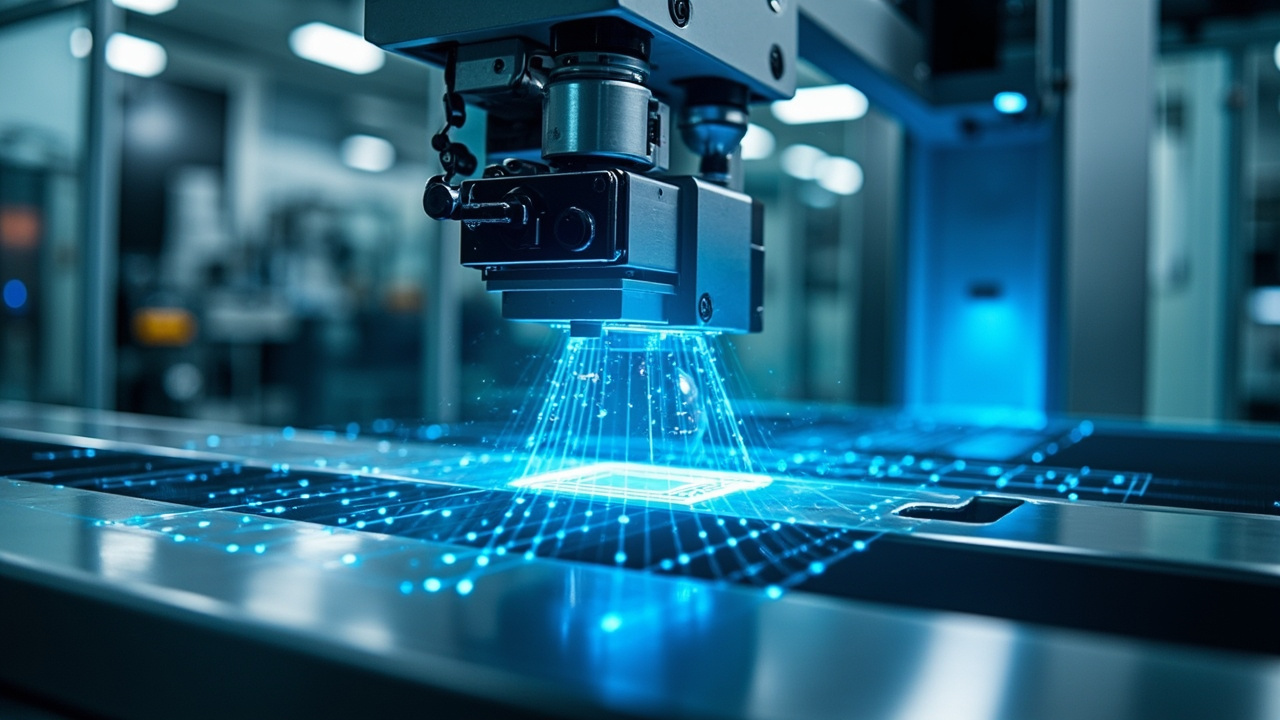
Machine vision systems use cameras, lighting, and sophisticated software to capture and analyze images, enabling automated inspection, guidance, and identification tasks. These systems can perform repetitive, high-speed inspections with far greater accuracy and consistency than human operators, making them ideal for critical quality control points.
Key Applications of Machine Vision for Quality and Inspection:
- Defect Detection: Identifying surface flaws (scratches, dents), missing components, incorrect assembly, and structural imperfections.
- Dimensional Measurement: Precisely measuring part dimensions, ensuring components meet exact specifications for size, shape, and position.
- Assembly Verification: Confirming all parts are present and correctly assembled, preventing incomplete or faulty products from reaching the next stage or customer.
- Part Identification and Tracking: Reading barcodes, QR codes, and alphanumeric characters (OCR/OCV) for traceability, inventory management, and anti-counterfeiting.
- Color Verification: Ensuring product colors match specifications, crucial for branding and aesthetic quality.
- Robotic Guidance: Providing visual feedback to robots for accurate pick-and-place, assembly, and welding operations.
Benefits of Implementing Machine Vision Systems:
- Increased Accuracy and Consistency: Eliminates human subjectivity and fatigue, leading to more reliable inspection results.
- Higher Throughput: Performs inspections at production line speeds, preventing bottlenecks.
- Reduced Waste and Rework: Catches defects early, minimizing material waste and costly rework.
- Improved Product Quality: Ensures only high-quality products leave the factory, enhancing brand reputation and customer satisfaction.
- Data Collection and Analysis: Provides valuable data for process improvement, root cause analysis, and predictive maintenance.
- Compliance: Helps meet stringent industry standards and regulatory requirements.
Advanced Sensing Technologies for Enhanced Quality Control
Beyond traditional machine vision, a variety of advanced sensing technologies play a crucial role in addressing quality and inspection challenges. These sensors provide real-time data on various physical parameters, enabling proactive control and precise monitoring.
Types of Sensing Solutions and Their Applications:
-
Proximity Sensors (Inductive, Capacitive, Photoelectric):
- Application: Detecting the presence or absence of objects, counting parts, positioning components. Essential for verifying material flow and component placement.
- Benefit: Reliable, non-contact detection in harsh environments, ensuring proper machine operation and preventing collisions.
-
Pressure Sensors (e.g., NOSHOK):
- Application: Monitoring pressure in pneumatic and hydraulic systems, ensuring correct force application in assembly, detecting leaks, and verifying process parameters.
- Benefit: Critical for process control, preventing equipment damage, and ensuring consistent product quality in processes like pressing, clamping, or fluid dispensing.
-
Temperature Sensors:
- Application: Monitoring process temperatures in ovens, furnaces, cooling systems, and critical components. Essential for processes requiring precise thermal control.
- Benefit: Prevents material degradation, ensures proper curing or cooling, and optimizes energy consumption.
-
Flow Sensors:
- Application: Measuring the flow rate of liquids or gases in manufacturing processes, such as chemical dosing, cooling systems, or paint application.
- Benefit: Ensures consistent material delivery, prevents over/under-application, and optimizes resource usage.
-
Level Sensors:
- Application: Monitoring fluid or solid levels in tanks, hoppers, and silos. Important for material handling and preventing overflows or run-outs.
- Benefit: Automates material replenishment, prevents production interruptions, and enhances safety.
-
Ultrasonic Sensors:
- Application: Non-contact distance measurement, object detection, and level sensing, particularly effective for transparent or irregularly shaped objects.
- Benefit: Versatile for various materials and environments, useful for fill level detection and obstacle avoidance.
-
Laser Sensors:
- Application: High-precision distance measurement, profiling, and object detection. Ideal for applications requiring extreme accuracy in gauging and positioning.
- Benefit: Offers superior accuracy and speed for demanding measurement tasks, often used in conjunction with machine vision for 3D inspection.
Integrating Solutions for Comprehensive Quality Assurance
The true power of these technologies lies in their integration. A holistic approach to quality and inspection often involves combining machine vision with various sensing solutions, all orchestrated by a robust control system (e.g., from SIEMENS or EATON).
Example Integrated Scenarios:
-
Automated Assembly Line Inspection:
- Machine Vision: Verifies correct component placement, checks for missing screws, and confirms label application.
- Proximity Sensors: Detects parts moving into position for assembly.
- Pressure Sensors: Monitors clamping force during assembly to prevent damage or loose connections.
- Control System: Coordinates all sensors and vision systems, stopping the line if a defect is detected and alerting operators.
-
Packaging Quality Control:
- Machine Vision: Inspects packaging for tears, correct branding, and verifies fill levels (if transparent).
- Weight Sensors: Ensures correct product weight in each package.
- Barcode Readers: Verifies correct product and batch information on packaging.
- Control System: Diverts non-conforming packages for rework or rejection.
Choosing the Right Partner: Valley International Supply
Selecting and implementing the right machine vision and sensing solutions requires deep technical expertise and an understanding of your specific manufacturing processes. At Valley International Supply, we are more than just a distributor; we are your strategic partner in industrial automation.
We proudly represent leading manufacturers such as STEINEL, NOSHOK, DESCO, NORGREN, FASTEST, EATON, and SIEMENS, offering a diverse portfolio of high-quality components and systems. Our team of technical experts and project leaders possesses decades of experience in designing, implementing, and supporting automation solutions tailored to the unique needs of the manufacturing industry in Mexico.
Our Approach to Your Quality and Inspection Challenges:
- Needs Assessment: We begin by thoroughly understanding your current inspection processes, pain points, and quality objectives.
- Solution Design: Based on our assessment, we recommend a customized combination of machine vision and sensing technologies that best fit your application and budget.
- Product Selection: Leveraging our partnerships with world-class manufacturers, we source the optimal components for your system.
- Technical Support and Integration Guidance: Our team provides expert guidance throughout the implementation process, ensuring seamless integration with your existing infrastructure.
- Ongoing Support: We offer continuous support to ensure your systems operate efficiently and effectively, helping you maximize your investment.
By partnering with Valley International Supply, you gain access to cutting-edge technology, unparalleled technical expertise, and a commitment to helping you achieve superior product quality and operational efficiency.
Next Steps: Enhance Your Factory’s Quality Control
Are you ready to transform your factory’s quality and inspection processes? Don’t let manual errors or outdated methods hinder your production. Explore the possibilities of advanced machine vision and sensing solutions.
Contact Valley International Supply today to discuss your specific challenges. Our team is prepared to provide personalized engineering recommendations and help you design a robust, efficient, and reliable quality control system that drives your manufacturing success.
Frequently Asked Questions
What are the main benefits of using machine vision for quality control?
Machine vision systems offer increased accuracy and consistency in inspections, higher throughput for faster production, reduced waste and rework by catching defects early, and improved overall product quality. They also provide valuable data for process optimization.
How do sensing solutions complement machine vision in manufacturing?
Sensing solutions like proximity, pressure, and temperature sensors provide critical data on physical parameters that machine vision alone cannot detect. They complement vision systems by verifying conditions, ensuring proper component placement, monitoring process variables, and enabling comprehensive quality assurance.
Can these solutions be integrated with my existing factory automation systems?
Yes, modern machine vision and sensing solutions are designed for integration with existing factory automation systems, including PLCs and SCADA. Our team at Valley International Supply can provide guidance on how to seamlessly integrate these new technologies with your current infrastructure, often utilizing leading control platforms from manufacturers like SIEMENS and EATON.
What kind of defects can machine vision systems detect?
Machine vision systems are highly versatile and can detect a wide range of defects, including surface flaws (scratches, dents), missing components, incorrect assembly, dimensional inaccuracies, color variations, and even verify text or barcode readability for traceability.
How can Valley International Supply help me choose the right machine vision or sensing solution?
Valley International Supply offers expert consultation, starting with a thorough needs assessment of your specific manufacturing challenges. Our technical team will then recommend and help you select the most appropriate machine vision and sensing technologies from our portfolio of leading brands, providing tailored engineering recommendations and support throughout the implementation process.
Manufacturers & sources referenced
This article references products from the following manufacturers. Learn more on their official sites:
About Valley International Supply
Valley International Supply is a distributor and OEM manufacturer representative of industrial automation equipment, serving manufacturers across the United States and Mexico for over 30 years. We supply PLCs, drives, HMIs, sensors, pneumatics, safety systems and connectivity components, backed by engineering selection assistance and technical support. Contact us at inquiry@valleyintlsupply.com or +1 (956) 338-0631.