
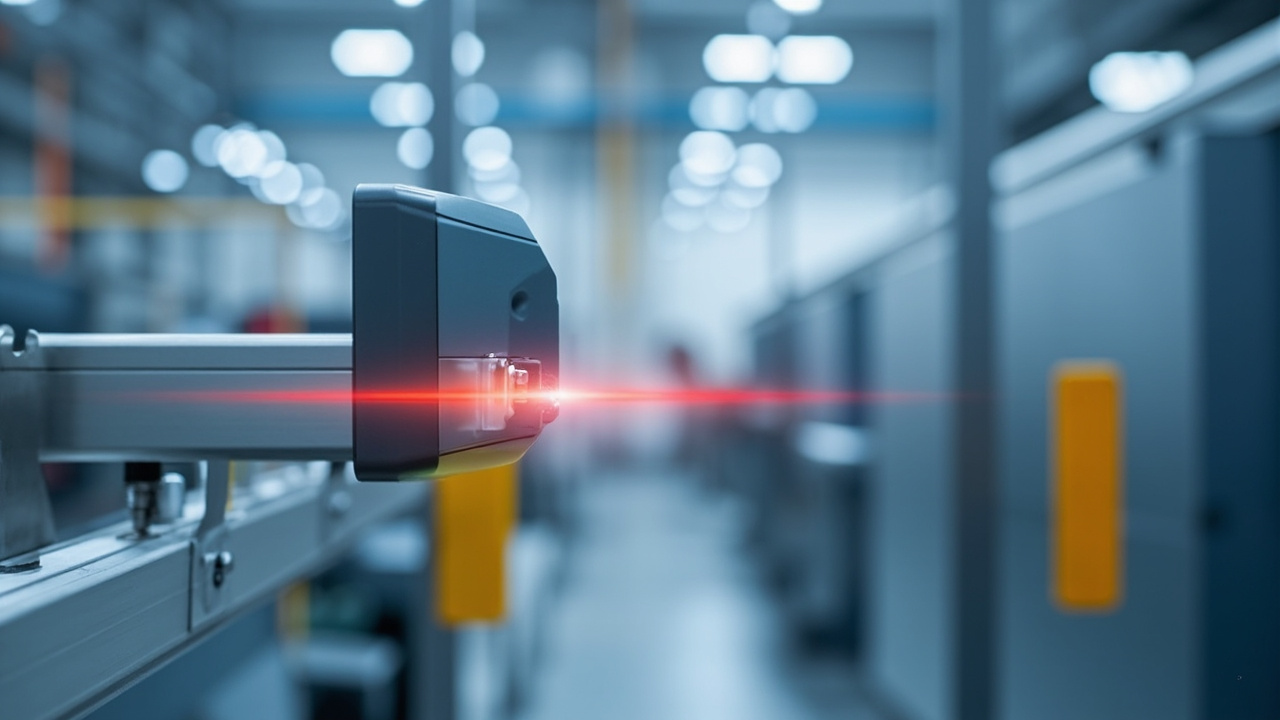
Industrial Safety Sensors: A Comprehensive Guide for Manufacturing
Explore the critical role of industrial safety sensors in manufacturing. This guide from Valley International Supply covers types, benefits, and applications, ensuring a safer and more efficient operational environment.
In the dynamic world of manufacturing and industrial automation, safety is paramount. Industrial safety sensors are the unsung heroes, silently working to protect personnel, prevent equipment damage, and ensure operational continuity. These sophisticated devices are designed to detect hazardous conditions, human presence in dangerous zones, or deviations from safe operating parameters, triggering immediate responses to mitigate risks.
At Valley International Supply, we understand that a robust safety infrastructure is not just a regulatory requirement but a fundamental component of efficient and responsible manufacturing. With our expertise and partnerships with leading manufacturers like SIEMENS, EATON, and NORGREN, we provide comprehensive industrial automation solutions that prioritize safety without compromising productivity.
The Critical Role of Industrial Safety Sensors in Manufacturing
Industrial environments, particularly in manufacturing, present numerous potential hazards, from moving machinery and high-temperature processes to electrical risks and hazardous materials. Industrial safety sensors play a vital role in creating a safer working environment by:
- Preventing Accidents: By detecting human presence in hazardous areas or machine malfunctions, sensors can initiate emergency stops or alerts, preventing injuries and fatalities.
- Protecting Equipment: Early detection of abnormal conditions can prevent costly damage to machinery, reducing downtime and maintenance expenses.
- Ensuring Compliance: Many industries are subject to strict safety regulations. Implementing appropriate safety sensors helps businesses meet these compliance standards, avoiding penalties and legal issues.
- Improving Operational Efficiency: A safer workplace leads to increased employee confidence, reduced absenteeism due to injuries, and ultimately, a more productive operation.
- Enhancing Process Control: Safety sensors often integrate with broader automation systems, providing critical data that can be used to optimize processes and improve overall system reliability.
Types of Industrial Safety Sensors and Their Applications
Industrial safety sensors come in various forms, each designed to address specific safety challenges. Understanding the different types is crucial for selecting the right solution for your application.
1. Light Curtains and Grids
What they are: These devices create an invisible barrier of infrared light beams. If any beam is interrupted, the sensor sends a stop signal to the machine.
Applications: Ideal for safeguarding access points to hazardous machinery like presses, robotic work cells, and assembly lines. They allow for flexible access while ensuring safety.
2. Safety Mats
What they are: Pressure-sensitive mats placed on the floor around hazardous machinery. When stepped on, they trigger a stop signal.
Applications: Used to protect personnel in areas where they might need to enter a hazardous zone for maintenance or setup, such as around automated guided vehicles (AGVs) or large machinery.
3. Emergency Stop Buttons (E-Stops)
What they are: Manually operated buttons designed to immediately halt machinery in an emergency. They are typically red with a yellow background and easily accessible.
Applications: Essential in virtually all industrial settings, providing a direct and immediate way for operators to stop equipment when an unsafe condition arises.
4. Interlock Switches
What they are: Devices that prevent machinery from operating if a guard, door, or cover is open or not properly closed. They ensure that access to dangerous moving parts is restricted during operation.
Applications: Commonly used on machine guards, access gates to robotic cells, and protective covers on equipment to prevent accidental exposure to hazards.
5. Safety Laser Scanners
What they are: These sensors use laser technology to create a configurable two-dimensional protective field around a hazardous area. They can detect objects or personnel entering the field and trigger a safety response.
Applications: Versatile for protecting complex or irregularly shaped areas, mobile platforms (like AGVs), and robotic applications where flexible safety zones are required.
6. Two-Hand Control Devices
What they are: Require an operator to simultaneously press two separate buttons to initiate a machine cycle. This ensures that both hands are clear of the hazardous area during operation.
Applications: Primarily used on machinery like presses, punches, and cutting equipment where the operator’s hands could be at risk.
7. Proximity Sensors (Safety-Rated)
What they are: While standard proximity sensors detect the presence of objects, safety-rated versions are designed with higher reliability and redundancy to meet safety standards. They can detect the presence or absence of a target without physical contact.
Applications: Used for position monitoring of safety gates, ensuring components are correctly positioned before operation, or detecting the presence of personnel in specific zones.
8. Displacement and Linear Sensors (Safety-Rated)
What they are: These sensors measure linear position or displacement with high precision. Safety-rated versions are crucial for applications where accurate position feedback is directly linked to safety, such as monitoring the position of a safety guard or the travel of a dangerous machine component.
Applications: Critical in machinery where precise positioning is essential for safety, like hydraulic presses, automated assembly lines, and material handling systems. Our offerings, such as the Banner Engineering LED Triangulation sensors, provide robust solutions for these precise safety monitoring needs.
Key Considerations When Implementing Safety Sensors
Selecting and implementing industrial safety sensors requires careful consideration to ensure maximum effectiveness and compliance. Valley International Supply guides our clients through this process, focusing on:
- Risk Assessment: A thorough analysis of potential hazards in your facility is the first step. This determines the types of risks present and the appropriate safety measures required.
- Performance Level (PL) and Safety Integrity Level (SIL): These standards (EN ISO 13849-1 and IEC 61508/62061 respectively) define the reliability and safety performance required for control systems and their components. Choosing sensors that meet the necessary PL or SIL for your application is critical.
- Integration with Control Systems: Safety sensors must seamlessly integrate with your existing or new control systems (e.g., PLCs, safety relays) to ensure immediate and effective response to detected hazards.
- Environmental Factors: Consider the operating environment – temperature, humidity, dust, vibration, and potential exposure to chemicals – when selecting sensors to ensure their durability and reliability.
- Ease of Maintenance and Testing: Regular testing and maintenance are crucial for ensuring safety systems remain functional. Choose sensors that are easy to inspect and test.
- Training: Proper training for operators and maintenance personnel on the function and importance of safety sensors is essential for their effective use and upkeep.
Valley International Supply: Your Partner in Industrial Safety
At Valley International Supply, we are more than just a distributor; we are a trusted partner in advancing manufacturing operations across Mexico. Our team of technical experts and project leaders possesses decades of experience in industrial automation and safety solutions.
We proudly represent world-leading manufacturers of safety components, including:
- STEINEL: Known for precision and reliability in tooling and automation.
- NOSHOK: Offering high-quality measurement solutions.
- DESCO: Providing essential industrial components.
- NORGREN: Leaders in pneumatic and fluid control technologies.
- FASTEST: Delivering innovative connection solutions.
- EATON: A global power management company with robust electrical and hydraulic solutions.
- SIEMENS: A powerhouse in automation, digitalization, and electrification.
Our commitment extends beyond providing products. We offer:
- Tailored Engineering Recommendations: Our experts work with you to understand your specific needs and design safety solutions that fit your unique operational challenges.
- Technical Expertise: We provide in-depth knowledge and support, from product selection to system integration.
- Dependable Support: Our team is dedicated to ensuring your safety systems operate flawlessly, offering ongoing assistance and troubleshooting.
By partnering with Valley International Supply, you gain access to high-quality industrial safety sensors and the expertise needed to implement them effectively, creating a safer, more efficient, and compliant manufacturing environment.
Frequently Asked Questions
What is the main purpose of an industrial safety sensor?
Industrial safety sensors are primarily designed to protect personnel from hazards, prevent damage to machinery, and ensure the safe operation of industrial processes. They detect unsafe conditions or human presence in dangerous areas and trigger appropriate safety responses, such as stopping machinery.
How do industrial safety sensors differ from standard industrial sensors?
While both types of sensors detect physical parameters, industrial safety sensors are specifically designed and certified to meet stringent safety standards (like PL or SIL). They often incorporate redundancy, self-monitoring, and fail-safe mechanisms to ensure their reliability and integrity in critical safety applications, where a failure could lead to harm.
Can industrial safety sensors be integrated with existing automation systems?
Yes, industrial safety sensors are typically designed for seamless integration with various industrial automation control systems, including PLCs (Programmable Logic Controllers) and safety relays. This integration allows for coordinated safety responses and can enhance overall system efficiency and data collection.
What factors should I consider when choosing safety sensors for my facility?
When selecting safety sensors, consider the specific hazards present, the required safety performance level (PL/SIL), environmental conditions, ease of integration with your existing control system, and the need for regular maintenance and testing. A thorough risk assessment is crucial to guide your selection process.
How does Valley International Supply assist with industrial safety sensor implementation?
Valley International Supply provides comprehensive support, including tailored engineering recommendations based on your facility’s specific needs, access to high-quality products from leading manufacturers, and technical expertise for seamless integration. Our team offers dependable support throughout the entire process, from selection to post-installation.
Next Steps: Enhance Your Industrial Safety Today
Ready to bolster the safety of your manufacturing operations? Contact Valley International Supply today. Our team of experts is prepared to discuss your specific safety challenges, provide tailored recommendations, and help you implement robust industrial safety sensor solutions that protect your people and your assets.
Explore Safety Sensor Solutions with Valley International Supply.
Manufacturers & sources referenced
This article references products from the following manufacturers. Learn more on their official sites:
About Valley International Supply
Valley International Supply is a distributor and OEM manufacturer representative of industrial automation equipment, serving manufacturers across the United States and Mexico for over 30 years. We supply PLCs, drives, HMIs, sensors, pneumatics, safety systems and connectivity components, backed by engineering selection assistance and technical support. Contact us at inquiry@valleyintlsupply.com or +1 (956) 338-0631.