
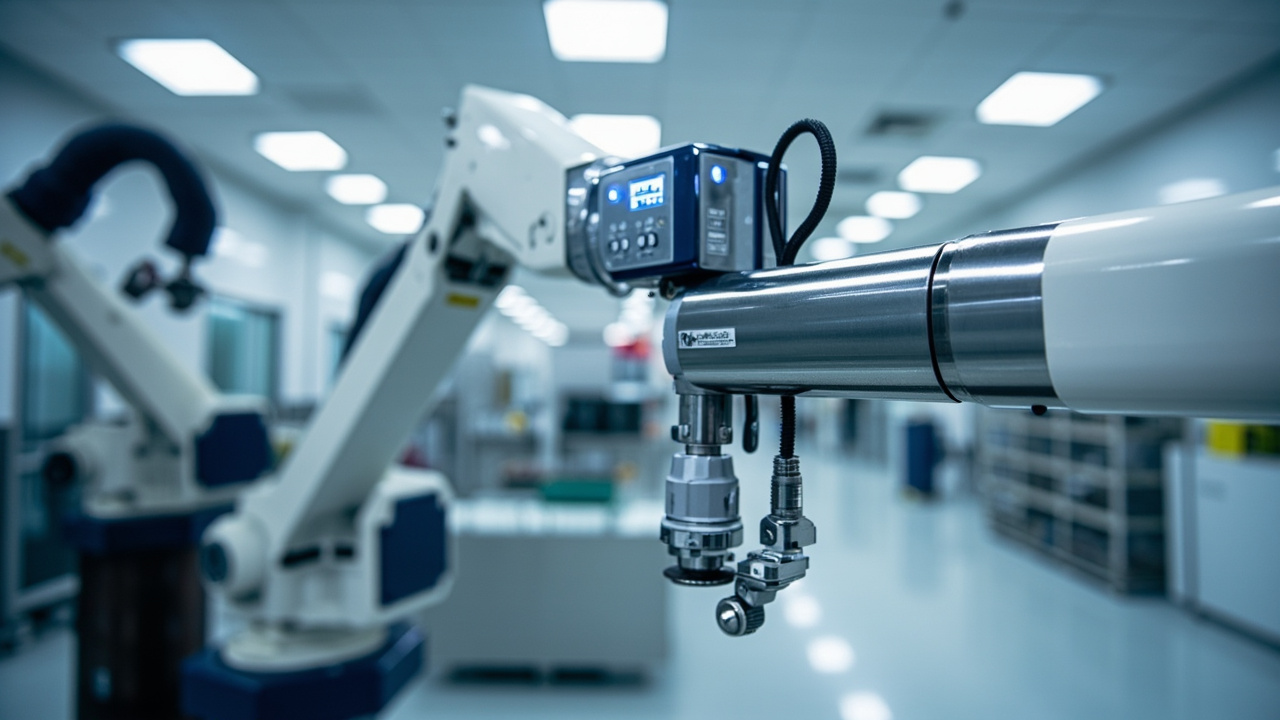
How to Choose a Reliable Industrial Automation Equipment Supplier
Discover essential criteria for selecting a trustworthy industrial automation equipment supplier. This guide covers technical expertise, product range, support, and long-term partnership considerations for your manufacturing needs.
In the dynamic world of manufacturing, industrial automation is no longer a luxury but a necessity for efficiency, precision, and competitiveness. From optimizing production lines to enhancing safety and reducing operational costs, the right automation solutions can transform your business. However, the success of your automation initiatives hinges significantly on the quality and reliability of your equipment and, crucially, the supplier you choose. Selecting a trustworthy industrial automation equipment supplier is a critical decision that can impact your operations for years to come.
This comprehensive guide is designed to equip you with the knowledge and criteria needed to make an informed choice. We’ll delve into the essential factors to consider, from technical expertise and product breadth to after-sales support and the potential for a long-term partnership. By carefully evaluating these aspects, you can ensure you select a supplier that not only provides high-quality equipment but also acts as a valuable partner in advancing your manufacturing operations.
Understanding Your Automation Needs
Before you even begin evaluating suppliers, the first and most crucial step is to thoroughly understand your own industrial automation needs. A clear understanding of your objectives will serve as your compass throughout the selection process.
Define Your Project Scope and Goals
- What specific problems are you trying to solve? Are you looking to increase throughput, reduce errors, improve safety, or integrate disparate systems?
- What processes need automation? Identify the specific areas of your manufacturing process that would benefit most from automation.
- What are your short-term and long-term objectives? Consider both immediate gains and future scalability.
- What is your budget? While not the sole deciding factor, a realistic budget will help narrow down options.
Identify Key Equipment Requirements
- Type of equipment: Do you need sensors, actuators, PLCs, HMIs, robotics, pneumatic components, or a combination?
- Performance specifications: What are the required speeds, accuracies, load capacities, and environmental tolerances?
- Compatibility: Will new equipment integrate seamlessly with your existing infrastructure and control systems?
- Industry-specific standards: Are there any particular industry regulations or certifications that the equipment must meet?
Having a well-defined set of requirements will allow you to effectively filter potential suppliers and communicate your needs clearly, ensuring they can offer relevant solutions.
Key Criteria for Evaluating Industrial Automation Equipment Suppliers
Once you have a clear understanding of your needs, you can begin to assess potential suppliers. Here are the critical factors to consider:
1. Technical Expertise and Engineering Support
This is arguably one of the most vital aspects. An industrial automation supplier should be more than just a vendor; they should be a technical partner.
- Depth of Knowledge: Do their sales and technical teams possess a deep understanding of industrial automation principles, technologies, and applications? Can they speak intelligently about complex systems and offer insightful recommendations?
- Application Engineering: Can they assist with application-specific challenges? A strong supplier will have engineers who can help design solutions, optimize processes, and troubleshoot issues.
- Problem-Solving Capabilities: Look for a supplier that demonstrates a proactive approach to problem-solving. Can they identify potential bottlenecks or inefficiencies in your current setup and propose automation solutions?
- Customization and Integration: If your needs are unique, can the supplier offer customized solutions or assist with integrating new equipment into your existing systems?
- Training and Education: Do they offer training for your staff on how to operate and maintain the new equipment? This is crucial for long-term success and minimizing downtime.
2. Product Range and Brand Representation
The breadth and quality of a supplier’s product portfolio are direct indicators of their capabilities and commitment to providing comprehensive solutions.
- Diverse Product Offering: A supplier with a wide range of products from various categories (e.g., pneumatics, sensors, controls, robotics) can often provide a more holistic solution and reduce the need to work with multiple vendors.
- Leading Manufacturers: Do they represent reputable, globally recognized brands known for quality, reliability, and innovation? Suppliers representing top-tier manufacturers like STEINEL, NOSHOK, DESCO, NORGREN, FASTEST, EATON, and SIEMENS often provide access to cutting-edge technology and proven performance.
- Quality and Reliability: Investigate the quality standards of the products they offer. Are they durable, precise, and built to withstand demanding industrial environments?
- Innovation and Future-Proofing: Do they offer products that incorporate the latest technological advancements? A forward-thinking supplier can help you stay competitive by providing access to innovative solutions.
- Availability and Lead Times: Inquire about product availability and typical lead times. Delays in equipment delivery can significantly impact your production schedule.
3. Customer Service and Support
Excellent customer service and robust support are non-negotiable for a long-term partnership, especially when dealing with complex industrial systems.
- Responsiveness: How quickly do they respond to inquiries, technical questions, or support requests? Timely communication is vital.
- Dedicated Support Team: Do they have a dedicated team for technical support, or is it a general customer service line? Specialized support is often more effective.
- After-Sales Support: What kind of support do they offer after the sale? This includes troubleshooting, warranty claims, spare parts availability, and potential field service.
- Account Management: Will you have a dedicated account manager who understands your specific needs and can provide personalized service?
- Ease of Communication: Is it easy to communicate with them through various channels (phone, email, online portal)?
4. Industry Experience and Reputation
A supplier’s track record and reputation within the industry speak volumes about their reliability and capabilities.
- Years in Business: How long has the company been operating? Longevity often indicates stability and experience.
- Industry Focus: Do they specialize in serving your specific industry or similar manufacturing sectors? Industry-specific experience can lead to more relevant solutions.
- Client Testimonials and Case Studies: Can they provide references or case studies demonstrating successful projects with other clients? This offers real-world evidence of their capabilities.
- Market Reputation: What is their reputation in the market? Online reviews, industry forums, and word-of-mouth can provide valuable insights.
- Partnerships and Alliances: Do they have strategic partnerships with other technology providers or industry associations? This can indicate a broader network and commitment to the industry.
5. Supply Chain and Logistics Capabilities
Efficient delivery and inventory management are crucial for minimizing downtime and ensuring smooth operations.
- Inventory Management: Do they maintain sufficient inventory levels of common components and spare parts to ensure quick availability?
- Logistics and Delivery: What are their delivery capabilities? Do they offer reliable shipping, tracking, and potentially expedited options?
- Geographic Reach: If you have multiple facilities, can they serve all your locations effectively?
- Returns and Warranty Process: Understand their policies for returns, repairs, and warranty claims. A clear and fair process is important.
6. Value Proposition and Total Cost of Ownership (TCO)
While price is a factor, it should not be the sole determinant. Focus on the overall value and the total cost of ownership.
- Beyond Price: Don’t just compare sticker prices. Consider the long-term costs associated with maintenance, energy consumption, spare parts, and potential downtime.
- Value-Added Services: Do they offer services that add significant value, such as system design, integration assistance, or ongoing optimization support?
- ROI Potential: Can they help you calculate the potential return on investment (ROI) for the automation solutions they propose?
- Flexible Solutions: Are they willing to work with you to find solutions that fit your budget while still meeting your technical requirements?
The Selection Process: A Step-by-Step Approach
Now that you understand the key criteria, here’s a structured approach to selecting your industrial automation equipment supplier:
- Internal Needs Assessment: Revisit your project scope, goals, and specific equipment requirements. Document these thoroughly.
- Initial Research: Identify potential suppliers through industry directories, trade shows, online searches, and recommendations. Look for suppliers that align with your industry and stated needs.
- Request for Information (RFI)/Request for Proposal (RFP): For larger projects, issue an RFI or RFP to shortlisted suppliers. This document should clearly outline your requirements, allowing suppliers to present their capabilities and proposed solutions.
- Supplier Evaluation: Use the criteria outlined above to evaluate the responses. Create a scoring matrix to objectively compare suppliers across all critical factors.
- Technical Discussions and Demos: Schedule meetings with top contenders. Engage in detailed technical discussions, ask specific questions, and request product demonstrations or site visits if applicable.
- Reference Checks: Contact existing clients of the shortlisted suppliers to gather feedback on their experience, focusing on reliability, support, and project success.
- Negotiation and Contract: Once you’ve identified your preferred supplier, negotiate terms, pricing, and service level agreements. Ensure all expectations are clearly documented in a contract.
- Pilot Project (Optional): For significant investments, consider starting with a smaller pilot project to test the supplier’s capabilities and the proposed solution before a full-scale rollout.
Building a Long-Term Partnership
Choosing an industrial automation equipment supplier isn’t just about a single transaction; it’s about forging a lasting partnership. A reliable supplier will be invested in your long-term success.
- Communication is Key: Maintain open and regular communication with your chosen supplier. Share your evolving needs and provide feedback.
- Feedback Loop: Provide constructive feedback to your supplier. This helps them improve their services and strengthens the partnership.
- Joint Planning: Involve your supplier in future planning sessions for automation upgrades or new projects. Their expertise can be invaluable.
- Trust and Transparency: Build a relationship based on trust and transparency. A good partnership thrives on mutual respect and clear expectations.
By following these guidelines, you can move beyond simply purchasing equipment and instead cultivate a strategic partnership that contributes significantly to the efficiency, productivity, and profitability of your manufacturing operations.
Frequently Asked Questions
What are the most important things to look for in an industrial automation supplier?
The most important things to look for include strong technical expertise and engineering support, a diverse product range from leading manufacturers, excellent customer service and after-sales support, and a proven industry reputation. These factors ensure you receive not only quality equipment but also valuable guidance and assistance throughout your project and beyond.
How can I tell if a supplier has good technical support?
You can assess technical support by inquiring about their dedicated support team, their responsiveness to technical questions, and their ability to provide application-specific solutions. Look for suppliers who offer training for your staff and have engineers capable of assisting with system design and troubleshooting.
Is it better to choose a supplier that offers many different brands or specializes in one?
It often depends on your specific needs. A supplier offering many different leading brands, such as STEINEL, NOSHOK, DESCO, NORGREN, FASTEST, EATON, and SIEMENS, can provide a more comprehensive solution and greater flexibility in finding the right components for your diverse requirements. This can also streamline your procurement process by reducing the number of vendors you need to manage.
How important is a supplier’s industry experience?
A supplier’s industry experience is very important because it indicates their understanding of the unique challenges and requirements within your sector. An experienced supplier can offer more relevant solutions, anticipate potential issues, and provide insights that a less experienced vendor might miss, ultimately leading to more successful automation projects.
What should I consider regarding the total cost of ownership (TCO) when selecting equipment?
When considering TCO, look beyond the initial purchase price. Factor in long-term costs such as maintenance, energy consumption, the availability and cost of spare parts, and the potential impact of downtime. A supplier that offers durable, efficient products and robust support can significantly reduce your TCO over the lifespan of the equipment.
How can I ensure the supplier will be a long-term partner?
To ensure a long-term partnership, focus on suppliers who demonstrate a commitment to customer satisfaction, offer personalized service, and are willing to engage in ongoing communication and support. Look for a supplier that values building relationships and acts as a technical resource, not just a vendor, for your evolving automation needs.
Manufacturers & sources referenced
This article references products from the following manufacturers. Learn more on their official sites:
About Valley International Supply
Valley International Supply is a distributor and OEM manufacturer representative of industrial automation equipment, serving manufacturers across the United States and Mexico for over 30 years. We supply PLCs, drives, HMIs, sensors, pneumatics, safety systems and connectivity components, backed by engineering selection assistance and technical support. Contact us at inquiry@valleyintlsupply.com or +1 (956) 338-0631.