
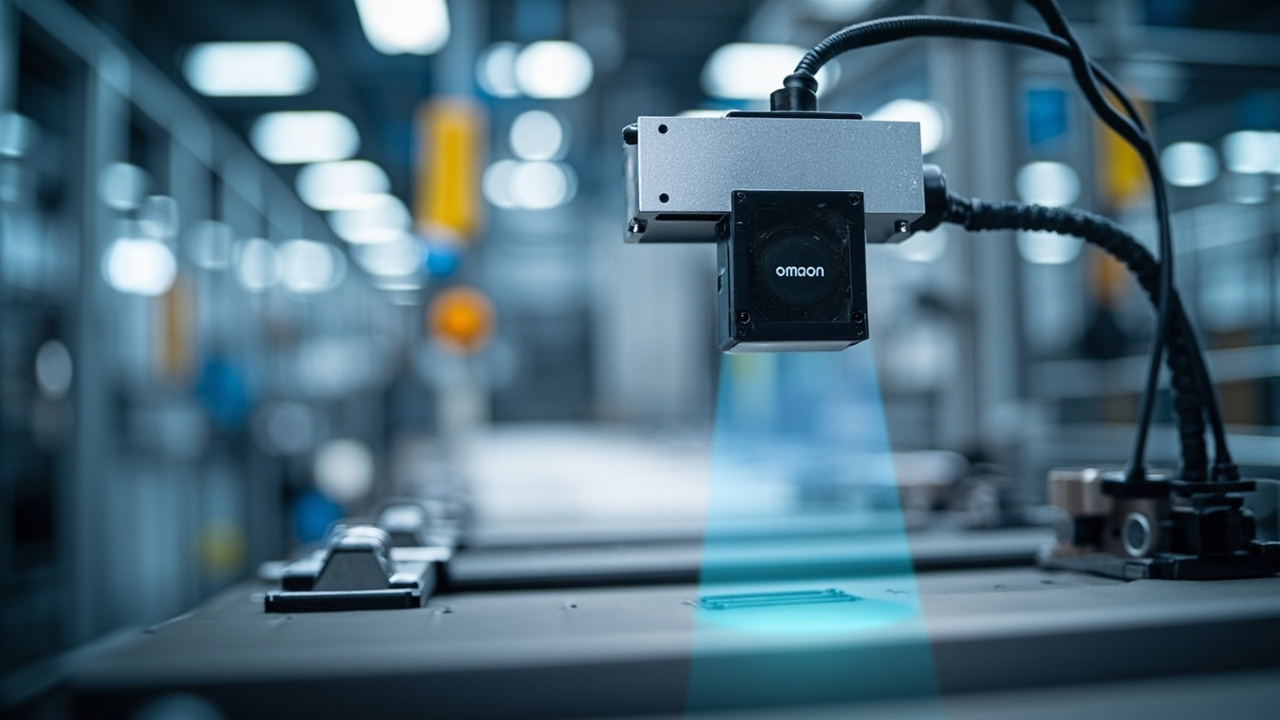
Choosing a Reliable Color Sensor for Conveyor Sorting and Where to Buy Omron Sensors
Discover how to select the best color sensor for industrial conveyor sorting, focusing on key features and applications. Learn about leading brands like Omron and find out where to source them for your automation needs.
In the fast-paced world of industrial automation, precision and efficiency are paramount. For manufacturing operations that rely on sorting parts on a conveyor line, a reliable color sensor is an indispensable tool. These sensors play a critical role in quality control, material handling, and process optimization, ensuring that products are correctly identified, separated, and routed. This guide will help you understand what makes a color sensor reliable for these demanding applications and provide insights into sourcing leading brands like Omron.
The Critical Role of Color Sensors in Conveyor Sorting
Color sensors are sophisticated devices designed to detect the color of an object by emitting light (typically white light) and measuring the intensity of the reflected light across different color spectra. In conveyor sorting, their primary function is to differentiate between objects based on their color, enabling automated systems to sort, inspect, and verify products with high accuracy and speed. This capability is vital in industries ranging from food and beverage to automotive and pharmaceuticals, where consistent product quality and efficient material flow are essential.
Key Applications:
- Quality Control: Identifying defective products by color variations.
- Material Sorting: Separating different colored components or raw materials.
- Assembly Verification: Ensuring correct component colors are present in an assembly.
- Packaging: Verifying correct product packaging based on color codes.
What Makes a Color Sensor Reliable for Conveyor Sorting?
Selecting the right color sensor for your conveyor line involves considering several critical factors that contribute to its reliability and performance in an industrial environment. A sensor’s ability to consistently deliver accurate readings under varying conditions is key to maintaining operational efficiency and minimizing downtime.
1. Detection Accuracy and Repeatability
The most fundamental aspect of a reliable color sensor is its ability to accurately distinguish between subtle color differences and consistently reproduce those readings. Look for sensors with high resolution and sensitivity, capable of detecting a wide spectrum of colors and even slight variations within a single color family. Repeatability ensures that the sensor provides the same result for the same object every time, which is crucial for consistent sorting.
2. Speed and Response Time
Conveyor lines often operate at high speeds. A reliable color sensor must have a fast response time to keep up with the pace of production without missing parts or causing bottlenecks. The sensor’s switching frequency should be high enough to accurately detect and process each item as it passes.
3. Environmental Robustness
Industrial environments can be harsh, characterized by dust, moisture, vibrations, and temperature fluctuations. A reliable color sensor must be built to withstand these conditions. Key features to look for include:
- IP Rating: An Ingress Protection (IP) rating indicates the sensor’s resistance to dust and water. For most industrial applications, an IP67 or higher rating is recommended.
- Temperature Range: Ensure the sensor can operate reliably within the expected ambient temperatures of your facility.
- Vibration Resistance: Sensors should be designed to maintain performance despite mechanical vibrations from conveyor belts and machinery.
4. Sensing Distance and Spot Size
The optimal sensing distance and spot size depend on the size of the objects being sorted and the distance from the sensor to the conveyor belt. A sensor with adjustable sensing distance and a small, precise spot size can offer greater flexibility and accuracy, especially for small or irregularly shaped parts.
5. Ease of Setup and Calibration
Complex setup procedures can lead to errors and consume valuable production time. Reliable color sensors often feature intuitive interfaces, teach-in functions, and user-friendly software for quick and easy calibration, allowing operators to set up new color profiles efficiently.
6. Communication Interfaces
Integration with existing control systems is vital. Look for sensors that support common industrial communication protocols such as IO-Link, Ethernet/IP, PROFINET, or Modbus TCP, ensuring seamless data exchange with PLCs and other automation components.
7. Light Source and Background Suppression
Some sensors offer advanced features like different light sources (e.g., RGB, white light) and background suppression capabilities. These can be particularly useful in applications where ambient light variations or reflective backgrounds might interfere with accurate detection.
Leading Brands in Color Sensing Technology
Several manufacturers are at the forefront of color sensor technology, offering a range of products suited for diverse industrial applications. Among these, Omron stands out as a globally recognized leader.
Omron Color Sensors
Omron is renowned for its comprehensive portfolio of industrial automation products, including a robust line of color sensors. Their sensors are known for their high precision, fast response times, and durability, making them a popular choice for demanding conveyor sorting applications. Omron’s offerings often include advanced features like high-speed detection, multiple color registration, and compact designs for easy integration.
Other notable brands include SICK, Keyence, Banner Engineering, and Leuze, each offering specialized solutions that cater to specific industrial needs.
Where to Buy Omron Sensors in the US?
When seeking to purchase Omron sensors or other industrial automation components, it’s crucial to work with a reputable distributor. A reliable distributor not only provides access to genuine products but also offers technical support, application expertise, and efficient logistics.
Valley International Supply is a trusted distributor and OEM representative for a wide range of industrial automation solutions, proudly representing leading manufacturers including Omron. With decades of experience, we understand the complexities of industrial applications and are committed to providing high-quality products and personalized service.
Why Choose Valley International Supply for Your Sensor Needs?
- Authorized Distributor: We provide genuine Omron products, ensuring quality and manufacturer support.
- Technical Expertise: Our team of technical experts can assist you in selecting the most suitable color sensor for your specific conveyor sorting application, offering tailored engineering recommendations.
- Comprehensive Support: From product selection to post-purchase assistance, we offer dependable support to ensure your systems run smoothly.
- Broad Product Portfolio: Beyond Omron, we represent other leading brands like STEINEL, NOSHOK, DESCO, NORGREN, FASTEST, EATON, SIEMENS, and many more, providing a single source for your industrial automation needs.
By partnering with Valley International Supply, you gain access to not just products, but also a wealth of knowledge and a commitment to advancing your manufacturing operations.
Next Steps: Optimizing Your Conveyor Sorting System
Choosing the right color sensor is a critical step in optimizing your conveyor sorting system. To ensure you make the best decision for your specific application, consider the following:
- Assess Your Needs: Clearly define the types of objects to be sorted, the range of colors, conveyor speed, and environmental conditions.
- Consult Experts: Engage with experienced distributors like Valley International Supply. Our technical team can help you navigate product specifications and recommend the ideal sensor for your setup.
- Request Demos or Trials: If possible, test potential sensors in your actual operating environment to verify their performance and compatibility.
- Consider Future Expansion: Choose a sensor system that offers scalability and flexibility for future production changes or upgrades.
Investing in a reliable color sensor is an investment in the efficiency, accuracy, and overall success of your manufacturing process. With the right technology and a knowledgeable partner, you can achieve superior sorting capabilities and maintain a competitive edge.
Frequently Asked Questions
How do color sensors work on a conveyor belt?
Color sensors on a conveyor belt typically emit a beam of light, often white light, onto the object passing by. They then measure the intensity and wavelength of the reflected light across different color channels (like red, green, and blue) to determine the object’s color. This information is then sent to a control system, which triggers sorting mechanisms based on pre-programmed color parameters.
What are the main benefits of using color sensors for industrial sorting?
The main benefits include increased sorting accuracy and speed, reduced manual labor, improved quality control by detecting color defects, and enhanced overall production efficiency. They help minimize errors and ensure consistent product output, which is crucial for maintaining high manufacturing standards.
Can color sensors distinguish between very similar shades of color?
Many modern industrial color sensors are designed with high resolution and sensitivity, allowing them to distinguish between very similar shades of color. Advanced models can often be programmed to recognize subtle differences that are imperceptible to the human eye, making them highly effective for precise sorting applications.
What environmental factors can affect a color sensor’s performance?
Environmental factors such as ambient light variations, dust, moisture, temperature fluctuations, and vibrations can affect a color sensor’s performance. It’s important to select sensors with appropriate IP ratings and robust construction to ensure reliable operation in challenging industrial environments.
How do I integrate a new color sensor into my existing automation system?
Integrating a new color sensor typically involves connecting it to your Programmable Logic Controller (PLC) or other control systems using standard industrial communication protocols like IO-Link, Ethernet/IP, or PROFINET. Many sensors offer user-friendly software for configuration and calibration, and working with a knowledgeable distributor can provide valuable assistance with the integration process.
Why is Omron a popular choice for industrial color sensors?
Omron is a popular choice due to its reputation for producing high-quality, reliable, and technologically advanced industrial automation components. Their color sensors are known for their precision, fast response times, durability, and a wide range of features that cater to diverse and demanding industrial sorting applications.
Manufacturers & sources referenced
This article references products from the following manufacturers. Learn more on their official sites:
About Valley International Supply
Valley International Supply is a distributor and OEM manufacturer representative of industrial automation equipment, serving manufacturers across the United States and Mexico for over 30 years. We supply PLCs, drives, HMIs, sensors, pneumatics, safety systems and connectivity components, backed by engineering selection assistance and technical support. Contact us at inquiry@valleyintlsupply.com or +1 (956) 338-0631.